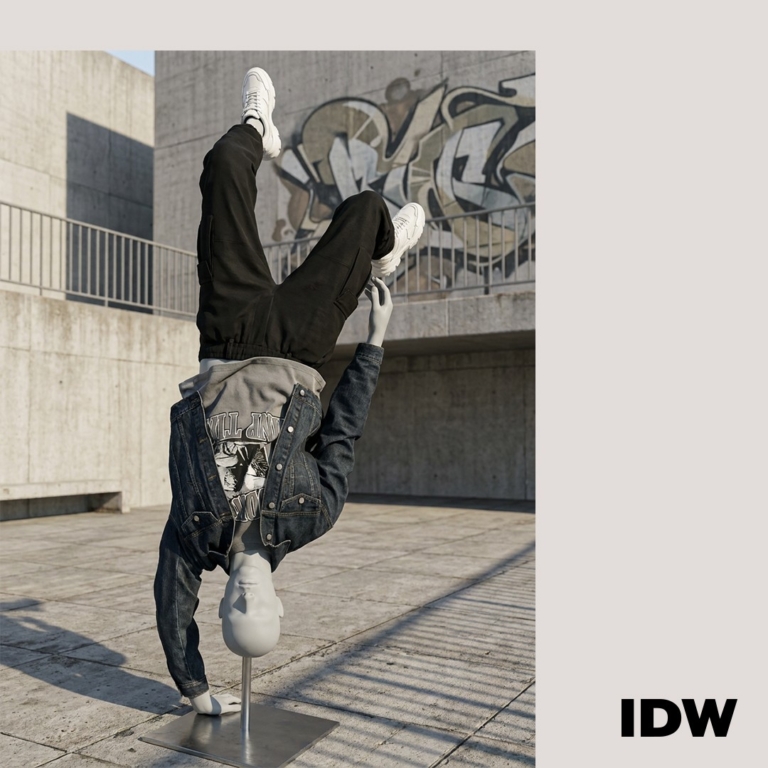
To choose the right mannequin for a retail display, start by matching the mannequin style and body type to your brand identity and target customer. The most important factors are the type of garments you sell, the look and feel you want to project in-store, and whether a standard or custom-made mannequin best serves your visual merchandising goals. The questions below walk you through each decision step by step.
What types of mannequins are used in retail displays?
Retail display mannequins fall into several main categories: full-body female, full-body male, kids, torso forms, and accessories displays. Each type serves a different merchandising purpose, and most retail brands use a combination depending on their product range, store layout, and the story they want to tell on the shop floor.
Full-body mannequins are the most versatile visual merchandising tool because they show complete outfits from head to toe, helping customers visualize how garments fit and move together. Torso forms work well for highlighting specific product categories like tops, knitwear, or swimwear, and they take up less floor space than a full figure. Kids mannequins follow the same logic as adult versions but are sized and proportioned for childrenswear ranges.
Within each category, you also choose between standing, seated, crouching, and action poses. The pose you select signals the lifestyle your brand represents, which brings us directly to the next question.
How does mannequin style affect brand perception?
Mannequin style directly shapes how shoppers perceive your brand the moment they walk past your window or enter your store. A sleek, abstract mannequin with a matte finish communicates minimalism and modernity, while a realistic mannequin with detailed facial features feels warmer and more approachable. Every visual element, from skin tone to pose to surface finish, contributes to your brand story.
Think of your mannequins as three-dimensional brand ambassadors. A sports retailer using dynamic, athletic poses reinforces energy and performance. A premium fashion brand using elongated, minimalist figures signals exclusivity and editorial taste. A high-street fashion brand using diverse, natural-looking mannequins communicates inclusivity and accessibility.
The finish and color of a mannequin also carry meaning. Glossy finishes feel bold and fashion-forward. Matte or raw finishes feel understated and contemporary. Custom colors tied to your brand palette create immediate visual consistency across all store locations, which is particularly important for multi-location retailers managing a coherent brand identity at scale.
What’s the difference between standard and custom mannequins?
Standard mannequins are pre-designed, off-the-shelf figures produced in fixed sizes, poses, and finishes. Custom mannequins are designed and manufactured specifically for a brand, with dimensions, proportions, poses, surface finishes, and colors matched exactly to that brand’s requirements. The key difference is ownership: a custom mannequin is unique to your brand and cannot be replicated by a competitor.
Standard mannequins are a practical choice when you need a quick, cost-effective solution for a straightforward product range. They work well for brands that prioritize speed and budget over visual differentiation. The downside is that you share the same display figures with any other retailer who orders from the same catalog.
Custom mannequins give you full creative control. You can specify exact body proportions that reflect your fit model, request a pose that matches your brand’s energy, and choose a finish that ties directly into your store concept. For brands where in-store presentation is a core part of the customer experience, the investment in custom development pays off in stronger visual identity and more consistent presentation across every location.
Should you choose abstract or realistic mannequins for fashion retail?
For fashion retail, abstract mannequins are generally the stronger choice because they keep the focus on the garment rather than the figure. Realistic mannequins work better when the brand wants to create an emotional connection with a specific customer type or lifestyle. The right answer depends on what you sell and who you are selling to.
Abstract mannequins, which have simplified or featureless heads and smooth, stylized bodies, let the clothing do the talking. They are widely used in fast fashion, premium fashion, and concept retail because they are versatile, timeless, and work across seasonal changes without looking dated. They also tend to photograph better for window display and social media content.
Realistic mannequins, with detailed facial features and natural proportions, although less common, can be found more often in lifestyle-driven retail environments where the brand wants customers to see themselves in the display. They are often used in sportswear, childrenswear, and brands with a strong community or identity focus. The risk with highly realistic figures is that they can feel dated faster as beauty standards and representation expectations evolve, so they require more frequent updates to stay relevant.
How do you match mannequin sizing to your garment range?
To match mannequin sizing to your garment range, start from your fit model specifications and work outward. Your mannequins should reflect the body proportions your garments are designed and graded for, so that clothing sits, drapes, and hangs exactly as intended. Using a mannequin that does not match your fit model means your garments will never look their best on the shop floor.
For brands with an extended size range, this means thinking about how many different mannequin sizes you need across your store. A retailer selling across a wide size spectrum benefits from using multiple mannequin sizes to represent the full range, rather than relying on a single standard figure that only shows one part of the collection accurately.
Proportion matters as much as raw measurements. Leg length, torso height, shoulder width, and hip curve all affect how trousers break, how jackets sit, and how dresses fall. If you are developing a custom mannequin, working from your actual fit model measurements gives you the most accurate result. If you are selecting from a standard range, always request technical specifications and compare them directly against your pattern grading before committing to an order.
What sustainability factors should you consider when buying mannequins?
When buying mannequins, the most important sustainability factors to consider are the materials used in production, whether those materials are recyclable at end of life, the environmental impact of the manufacturing process, the proximity of the manufacturer to the brand, and the durability of the product. A mannequin that lasts longer and can be fully recycled has a significantly lower environmental footprint than a cheap alternative that ends up in landfill after a few seasons.
Material choice is the starting point. Polystyrene mannequins made from 100% recyclable material can be recovered and reused at the end of their life cycle, which reduces waste substantially compared to mannequins made from composite materials that cannot be separated or processed, like fiberglass. Water-soluble paints and polishes reduce the chemical load during production and finishing, which matters both for factory workers and for downstream environmental impact.
Beyond materials, look at the manufacturing practices of the supplier. Low-emission production processes, sustainably sourced raw materials, and recognized sustainability accreditations such as EcoVadis or SMETA ratings give you a reliable way to verify claims rather than relying on self-reported data. For retail brands with their own sustainability commitments and ESG reporting requirements, choosing a supplier with verifiable credentials makes it easier to account for Scope 3 emissions in your supply chain.
Durability is often overlooked in sustainability conversations but is one of the most practical factors. A well-made mannequin that holds its finish and structure for many years reduces the frequency of replacement, which lowers both cost and environmental impact over time.
Choosing the right mannequin for a retail display is a decision that touches brand identity, garment presentation, sustainability, and operational planning all at once. At IDW Display, we work with major retail brands in Europe and beyond to develop custom mannequin ranges that reflect their customers and their brand identity. Our in-house design studio, sculptors, and production team all under one roof in Lithuania (Europe) handle the full process, from initial concept through to finished product, using 100% recyclable materials and water-soluble paints. If you are rethinking your display strategy and want a production partner who can bring genuine customisation capability to the table, we would be glad to talk through what that looks like for your brand.
Frequently Asked Questions
How long does it typically take to develop and receive a custom mannequin order?
Custom mannequin development timelines vary depending on the complexity of the design, but you should generally plan for 8 to 16 weeks from approved concept to delivery for a first production run. This includes time for sculpting, sampling, client approval, molding, production, and shipping. If you are planning a store rollout or seasonal launch, building this lead time into your project schedule from the outset is essential to avoid delays on the shop floor.
What are the most common mistakes retailers make when choosing mannequins?
The most common mistake is prioritizing upfront cost over long-term fit, which leads to mannequins that do not reflect the brand’s garment proportions or visual identity and need replacing sooner than expected. Another frequent error is ordering all mannequins in the same pose, which creates a static, repetitive display rather than a dynamic, engaging one. A third pitfall is failing to account for the full range of garments being sold, resulting in a single mannequin size that only flatters part of the collection.
Can mannequins be refurbished or repainted instead of replaced?
Yes, many high-quality mannequins can be professionally refurbished, repainted, or re-finished to extend their lifespan significantly, which is both a cost-effective and more sustainable approach than full replacement. This is particularly viable for well-constructed mannequins made from durable materials like recyclable polystyrene. On the contrary, the same is not true for fiberglass or polyurethane mannequins.
How should I style and dress mannequins to maximize their impact in-store?
The most impactful mannequin displays are built around a clear outfit story rather than individual products, so always dress each figure with a complete, coordinated look including accessories where relevant. Use pinning and tucking techniques at the back of garments to ensure a clean, tailored fit on the mannequin’s body, since loose or ill-fitting presentation undermines even the best display. Regularly refreshing mannequin styling in line with your visual merchandising calendar keeps the shop floor feeling current and gives returning customers a reason to re-engage with the space.
What should I look for in a mannequin supplier beyond the product itself?
Beyond the mannequins themselves, the most important supplier qualities to evaluate are production capacity, quality consistency across large orders, lead times and available technologies. You should also assess their sustainability credentials, after-sales support, and their willingness to support your brand if you are developing a custom range. A supplier with international logistics experience and verifiable accreditations gives you far greater confidence when planning a multi-location rollout than one with no track record outside a single market.
How do I ensure mannequin consistency across multiple store locations?
Consistency across locations starts with placing a single consolidated order rather than reordering in smaller batches over time, since production runs can vary slightly in finish and color between orders. Working with a supplier who maintains detailed production records and color specifications for your brand makes it possible to match new figures accurately to existing stock when you do need to reorder. For custom mannequins, ensuring your supplier retains the original molds and finish specifications is a contractual point worth confirming before you sign off on a development agreement.
Related Articles
- What role does visual merchandising play in a retailer's sustainability story?
- What metrics do retailers use to track sustainability progress in their stores?
- How do retailers align their physical store experience with their sustainability values?
- What does a sustainability policy mean for a retail VM team?
- How do you use props effectively in retail display design?
- What is the three-point display rule in visual merchandising?
- What is the difference between in-store displays and window displays?
- What role does signage play in visual merchandising strategy?
- How do you design retail displays that appeal to a specific target customer?
- Why is the store entrance zone so important in visual merchandising?
- Why is consistency important across all visual merchandising touchpoints?
- What makes a window display visually compelling to passersby?
- What is focal point merchandising and why does it matter?
- What is the decompression zone in retail store layout?
- How do you align visual merchandising with seasonal trends in 2026?